If you run payroll, freelance, or just want to know how many paychecks are left before that vacation, the question “how many work days are in a year” comes up more often than you’d think. The short answer for 2026: there are 261 weekdays, 250 business days once federal holidays are removed, and 104 weekend days. Here’s exactly how that breaks down, month by month, and how to use it to build accurate pay records.
Quick Answer: Work Days in 2026
- Total days in 2026: 365 (it’s a common year, not a leap year)
- Weekend days: 104 (52 Saturdays + 52 Sundays)
- Weekdays (Monday–Friday): 261
- Federal holidays: 11
- Business days (weekdays minus federal holidays): 250
The math is simple once you see it laid out: 365 total days, minus 104 weekend days, leaves 261 weekdays. Subtract the 11 federal holidays that fall on a weekday, and you land on 250 actual business days for the year.
How Many Weekends Are in a Year?
A standard year has 52 full weekends, which works out to 104 weekend days (Saturday and Sunday combined). Because 2026 has 365 days — one more than an even 52 weeks — that extra day lands on a weekday (January 1, a Thursday), so it doesn’t add a 53rd weekend to the count.
How Many Weeks Per Year?
Every calendar year has 52 full weeks, with one (or two, in a leap year) extra day left over. That’s true whether you’re counting weekdays, weekend days, or pay periods. If you’re setting up a biweekly payroll schedule, this is why most years land on 26 pay periods rather than a clean round number.
Working Days in a Calendar Year vs. Business Days
People often use “working days” and “business days” interchangeably, but for payroll purposes they can mean two different things:
- Working days (weekdays): Every Monday through Friday, regardless of holidays. In 2026, that’s 261 days.
- Business days: Weekdays minus recognized holidays. Most U.S. employers use this number for payroll, PTO accrual, and project timelines. In 2026, that’s 250 days.
Which one you use depends on your company’s holiday policy. A business that stays open on federal holidays will run payroll closer to the 261-day figure; one that closes for all 11 will land closer to 250.
2026 Federal Holidays (Why the Number Drops to 250)
Eleven federal holidays fall in 2026, and all of them land on a weekday:
- New Year’s Day — Thursday, January 1
- Martin Luther King Jr. Day — Monday, January 19
- Washington’s Birthday (Presidents’ Day) — Monday, February 16
- Memorial Day — Monday, May 25
- Juneteenth National Independence Day — Friday, June 19
- Independence Day (observed) — Friday, July 3 (July 4 falls on a Saturday)
- Labor Day — Monday, September 7
- Columbus Day — Monday, October 12
- Veterans Day — Wednesday, November 11
- Thanksgiving Day — Thursday, November 26
- Christmas Day — Friday, December 25
Since none of these fall on a weekend that isn’t already shifted to a weekday observance, all 11 come straight out of the 261 weekdays, leaving 250 business days.
Working Days Per Month in 2026
Because January 1, 2026 falls on a Thursday, the days don’t split evenly across every month. Here’s the exact weekday count for each month, plus the business-day total once federal holidays are factored in:
| Month | Total Days | Weekend Days | Weekdays | Federal Holidays | Business Days | Work Hours |
| January | 31 | 9 | 22 | New Year’s Day, MLK Day | 20 | 160 |
| February | 28 | 8 | 20 | Presidents’ Day | 19 | 152 |
| March | 31 | 9 | 22 | — | 22 | 176 |
| April | 30 | 8 | 22 | — | 22 | 176 |
| May | 31 | 10 | 21 | Memorial Day | 20 | 160 |
| June | 30 | 8 | 22 | Juneteenth | 21 | 168 |
| July | 31 | 8 | 23 | Independence Day (observed) | 22 | 176 |
| August | 31 | 10 | 21 | — | 21 | 168 |
| September | 30 | 8 | 22 | Labor Day | 21 | 168 |
| October | 31 | 9 | 22 | Columbus Day | 21 | 168 |
| November | 30 | 9 | 21 | Veterans Day, Thanksgiving | 19 | 152 |
| December | 31 | 8 | 23 | Christmas Day | 22 | 176 |
| Total | 365 | 104 | 261 | 11 | 250 | 2,000 |
July and December have the most business days (22 each), while January and November have the fewest (20 and 19, respectively) because each absorbs two federal holidays. On average, that works out to about 20.83 working days and 166.67 work hours per month across the year, assuming a standard eight-hour day.
Why This Number Matters for Payroll and Pay Stubs
Knowing the exact working-day and business-day count for the year isn’t just trivia — it directly affects how pay stubs are calculated:
- Salaried employees: Annual salary is typically divided by pay periods, not by the number of business days, but HR teams still use the 250/261 figures to sanity-check per-day rates for partial pay periods, new hires, or terminations mid-month.
- Hourly employees: Multiplying business days by scheduled hours per day gives you the expected gross hours for the year — useful for verifying that a pay stub’s year-to-date totals are tracking correctly.
- Freelancers and contractors: If you invoice by the day, the 250-business-day figure is a realistic ceiling for billable capacity, before accounting for personal time off.
- PTO accrual: Many PTO policies accrue based on hours worked per pay period, which ties back to the same business-day math.
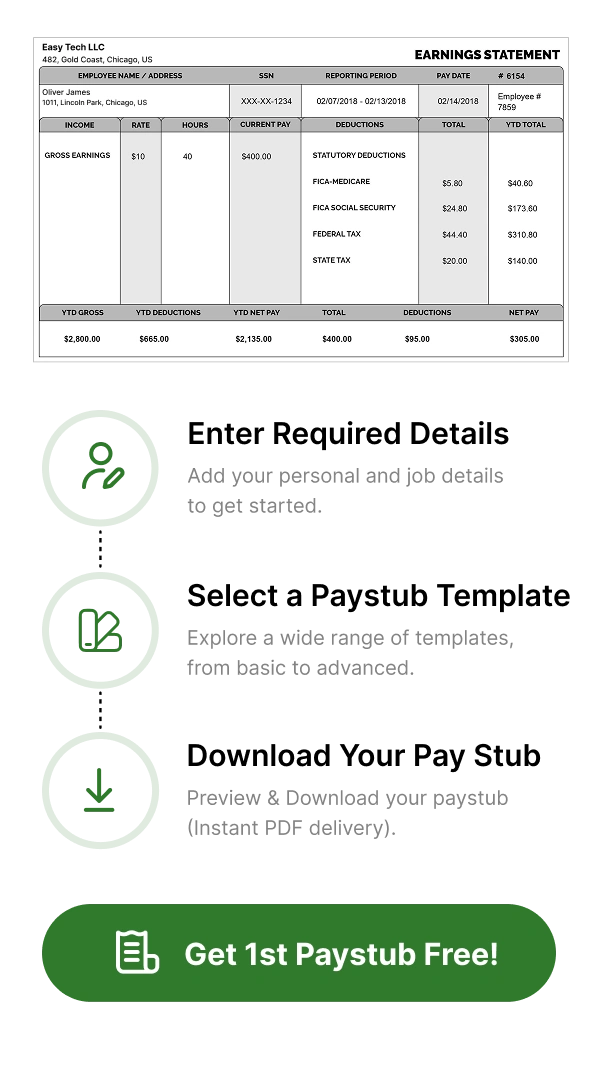
If you need to generate a pay stub that reflects accurate year-to-date earnings, hours, and deductions, a reliable paystub generator does this calculation for you automatically pulling the correct number of pay periods and working days for the year instead of leaving you to do it by hand.
The Bottom Line
For 2026, remember three numbers: 365 total days, 261 weekdays, and 250 business days after federal holidays. Whether you’re planning payroll, tracking PTO, or just budgeting your own work year, these figures are the foundation for getting the math right — and they’re the same numbers a good pay stub calculator uses behind the scenes to keep your records accurate.
Frequently Asked Questions
1) How many work days are in a year?
A standard year has 261 weekdays. Once the 11 U.S. federal holidays are removed, 2026 has 250 actual business days.
2) How many weekdays are in a year?
There are 261 weekdays in 2026 — every Monday through Friday across the 365-day year.
3) How many weekend days are in a year?
There are 104 weekend days in 2026: 52 Saturdays and 52 Sundays.
4) How many business days are in 2026?
2026 has 250 business days, calculated as 261 weekdays minus 11 federal holidays.
5) How many working days are in a calendar year?
On a five-day work week, a calendar year has 260 to 262 working days depending on how the year starts. In 2026, the figure is 261.
6) How many weeks are in a year?
Every calendar year has 52 full weeks, plus one extra day (two in a leap year).
7) What is the average number of working days per month?
Averaged across the year, 2026 works out to about 21.75 weekdays per month before holidays, or roughly 20.83 business days and 166.67 work hours per month once federal holidays are factored in.
8) How many work hours are in a year?
Based on 250 business days and a standard eight-hour day, 2026 comes out to 2,000 work hours for a full-time employee — before any additional PTO is subtracted.